قربان تاكايتشي لضريح ياسوكوني يثير الخلاف بين الصين واليابان مجدداً
China condemned Japanese Prime Minister Sanai Takaiichi's offering of a masakaki branch to Tokyo's Yasukuni Shrine, calling it an attempt to whitewash Japan's militaristic past, while South Korea also expressed regret; the shrine honors Japan's war dead, including 14 Class-A war criminals.
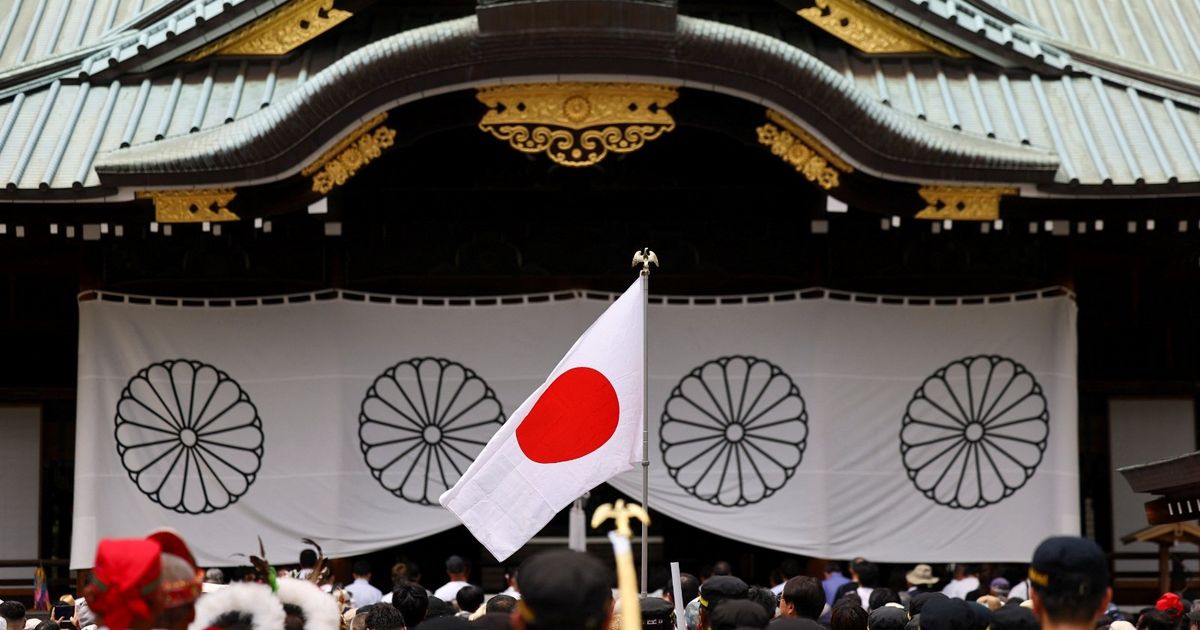
On Sunday, 15 August 2026, China's foreign ministry issued a strong condemnation after Japanese Prime Minister Sanai Takaiichi sent a ceremonial offering known as "masakaki" – an evergreen branch – to the Yasukuni Shrine in Tokyo. Takaiichi did not visit the shrine in person; the offering was made as the autumn festival began, which runs for three days. Japanese news agency Kyodo reported that Minister for Economic Growth Strategy Minoru Kiuchi visited the shrine on the same day.
The Chinese embassy in Japan described the shrine as "a spiritual tool and a symbol of Japanese militarism" and warned that any attempt by Japanese politicians to honor the shrine, under any pretext, constitutes "an effort to whitewash war crimes and pave the way for accelerated military rearmament." It stressed that a correct understanding of history is essential for Japan's post‑World War II reintegration into the international community and for its relations with neighboring countries.
South Korea's foreign ministry also expressed regret, stating that repeated offerings or visits by Japanese officials to Yasukuni "cause deep disappointment and sorrow" and that the shrine glorifies Japan's past aggressive wars and enshrines war criminals.
Yasukuni Shrine honors approximately 2.46 million Japanese war dead, among them 14 individuals classified as Class‑A war criminals by the International Military Tribunal for the Far East after World War II. China and South Korea, which suffered under Japanese aggression during the war, have repeatedly protested official Japanese visits to the shrine and the sending of offerings.
The latest incident comes amid a broader chill in Sino‑Japanese relations that began in November 2025 when Takaiichi told parliament that any military attack on Taiwan could be considered a threat to Japan's survival, a remark that raised concerns about a possible Japanese military response. High‑level governmental contacts between the two countries have since stalled, although Takaiichi said she intends to attend the upcoming APEC summit in Shenzhen, pending parliamentary approval.
While the shrine is viewed by Japan as a place to honor those who died in service to the nation, critics in China and South Korea argue that its inclusion of convicted war criminals makes it a symbol of militarism. The article reflects these differing perspectives.