Albanian police clash with protesters demanding resignation of Prime Minister Edi Rama
Hundreds of demonstrators in Tirana faced police using tear gas and water cannons as protests calling for the resignation of Prime Minister Edi Rama entered their fifth day. The unrest, which began as student demands for education reform, has broadened to include accusations of corruption and government mismanagement, with reports of property damage, injuries to police officers, and arrests.
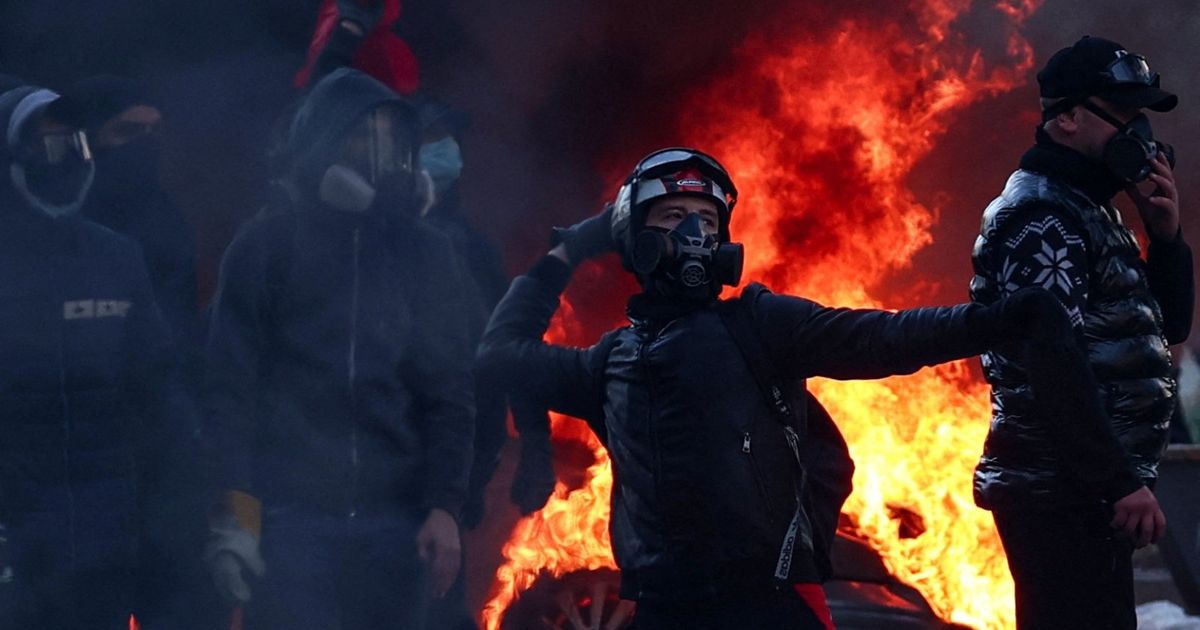
On 17 October 2026, Albanian police deployed tear gas and water cannons to disperse hundreds of protesters in the capital, Tirana. The demonstrations, ongoing for five consecutive days, demand the resignation of Prime Minister Edi Rama. According to Reuters, a vehicle was set on fire near the prime minister’s office, adding to a series of acts of vandalism that have targeted government buildings, banks, companies and public facilities during the protests.
The protests originated from student grievances over the quality and cost of university education, campus housing conditions, and post‑graduation opportunities. As the movement grew, it attracted parents, activists and opposition supporters, and began to address broader concerns about corruption and political leadership. Albanian police chief Skender Heta reported that 132 officers have been injured since the protests began, 167 individuals have been detained, and 388 others face criminal proceedings. Seven officers have been suspended pending internal investigations into allegations of excessive force.
The current wave of demonstrations follows more than four months of anti‑government activism that began with opposition to a planned luxury coastal resort linked to Jared Kushner, son‑in‑law of former U.S. President Donald Trump. That earlier campaign, dubbed the "Flamingo Revolution," was largely peaceful before expanding into a wider anti‑corruption movement.
Prime Minister Rama, in office since 2013 and re‑elected for a fourth term in the previous year’s elections, has denied any wrongdoing. In a recent interview with Reuters he said he would not resign, and on social media he urged patience, stating that his government respects the right to protest and aims to protect citizens while pursuing Albania’s goal of EU membership by 2030. Rama has accused opposition groups and unspecified "foreign forces" of inciting violence, a claim that remains unverified by independent sources.
Albania, alongside Montenegro, is considered a leading candidate for EU accession among the Western Balkan states. Analysts note that the country’s struggles with corruption and alleged money‑laundering linked to drug and arms trafficking complicate its accession prospects.