Ali al-Bukhaiti: From Houthi Insider to Opponent, a Family Divide in Yemen's Conflict
Ali al-Bukhaiti, a Yemeni political figure who once served as a Houthi spokesperson and member of the group's political office, publicly announced his split from the Houthis in January 2015. His brothers Mohamed and Hussein took different political paths, with Mohamed becoming a prominent Houthi leader and Hussein maintaining a more moderate stance. The article outlines Bukhaiti's background, his early leftist activism, his rapprochement with the Houthis, his role in the 2013 National Dialogue Conference, and the reasons he cites for his break with the group, including alleged shifts in Houthi policy and alleged family repercussions such as property confiscation.
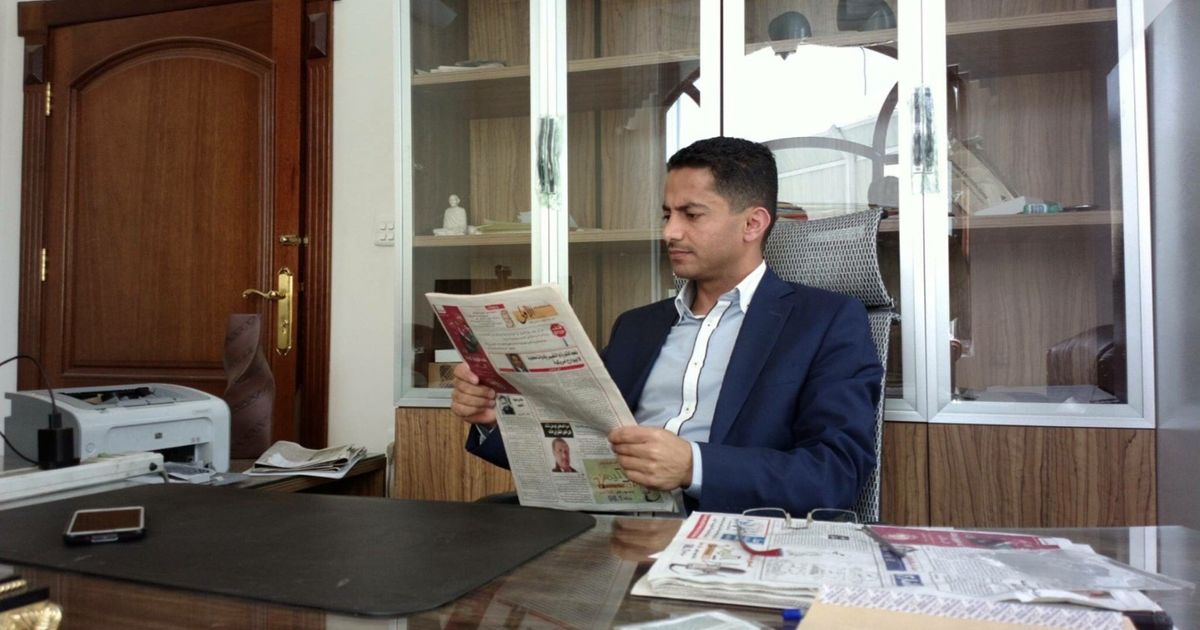
Ali al-Bukhaiti was born in the Zaydi‑influenced province of Dhamar and grew up in a family with mixed political exposures. In his youth he and his brother Mohamed were active in the Yemeni Socialist Party and participated in military training at the Basihib camp, which had been relocated from the south to Dhamar. After the socialist party's defeat in the 1994 civil war, Mohamed emigrated to the Netherlands and later Canada, where he spent roughly 14 years abroad before returning to Yemen with a reported shift toward a stricter Shi‘a identity and eventual affiliation with the Houthi movement.
Ali, meanwhile, remained in Dhamar, maintaining a left‑liberal outlook while expressing cultural sympathy for the Zaydi tradition. He says his early empathy for the Houthis stemmed from their Zaydi origins and a perception that they represented a counterweight to other religious currents, such as the Muslim Brotherhood‑affiliated Islah party and Salafi groups, which he believed were being promoted by the state of Ali Abdullah Saleh.
According to Bukhaiti’s account, his direct engagement with the Houthis began around 2008 when he was detained by Yemen’s political security apparatus while attempting to escort a British journalist to meet Abdul‑malik al‑Houthi in Saada. During his detention he said he met several Houthi leaders, including Mohamed Ali al‑Houthi and Abdul‑karim Amir al‑Din al‑Houthi. After his release, Bukhaiti participated in the 2011 protest wave and acted as a spokesperson for the "general forum of revolutionary forces." When the National Dialogue Conference convened in 2013, the Houthis allocated him a speaking slot within their quota, and he was appointed the group’s official spokesman and a member of its political office.
Bukhaiti states that during the conference he helped promote a Houthi vision of a civil state with religious neutrality—a position he describes as secular and compatible with his own left‑liberal beliefs. He contrasts this with the platform of the Joint Meeting Parties coalition, which he says was influenced by Islah and therefore more religiously oriented.
He says the turning point in his relationship with the Houthis came after they seized Sana’a in September 2014. Bukhaiti claims he withdrew from cooperation because he believed the group had abandoned the civil‑state agenda agreed upon at the dialogue conference and began governing in a manner he views as authoritarian and corrupt. He announced his resignation from the Houthi political office in January 2015, a decision that was reported by several Arab satellite channels at the time.
Following his split, Bukhaiti alleges that his brother Mohamed, who had become a senior Houthi official and political office member, cut off personal contact and was involved in the confiscation of Ali’s properties in Sana’a—including a home that had hosted Houthi gatherings and a law firm associated with him—allegedly under orders from Abdul‑malik al‑Houthi. Bukhaiti also says his mother’s relationship with him was strained for a period due to Mohamed’s influence, though contact was later restored. He notes that his brother Hussein, while supportive of the Houthis, has maintained a more moderate stance and that his relationship with Hussein remains intact.
Bukhaiti characterizes the broader Yemeni public’s attitude toward the Houthis as increasingly critical, arguing that many who once supported the movement now see it as a corrupt authority rather than a state‑building project. He suggests that tribal support often stems from a lack of alternatives rather than genuine endorsement, and that a shift could occur if government forces re‑assert control over tribal areas.
The narrative presented by Bukhaiti is based on his personal testimony and recollections. Independent verification of specific claims—such as the alleged Iranian training of his brother Mohamed, the exact timing and nature of property seizures, or the extent of his mother’s estrangement—has not been publicly corroborated by other sources.