Egyptian and Yemeni Foreign Ministers Discuss Houthi Escalation and Red Sea Security in Baghdad
On 17 October 2026, Egyptian Foreign Minister Badr Abdelatty met with his Yemeni counterpart, Afrah al-Zubaidi, on the sidelines of the 52nd Islamic Cooperation Organisation Foreign Ministers Council in Baghdad. The talks focused on the recent Houthi escalation, including missile strikes on Yemen’s presidential palace and Aden airport, the need for Arab coordination to counter Iranian-backed military support, and preserving freedom of navigation in the Red Sea and Bab al-Mandab Strait.
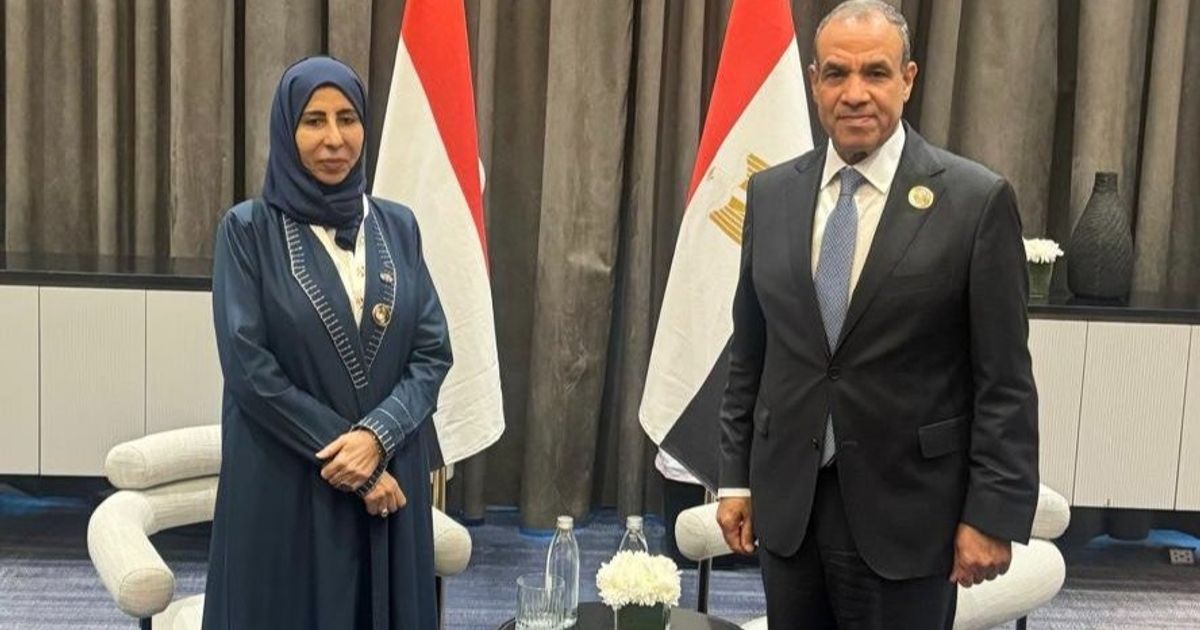
Egyptian Foreign Minister Badr Abdelatty received Yemeni Foreign Minister Afrah al-Zubaidi in Baghdad on 17 October 2026, during the 52nd session of the Organisation of Islamic Cooperation (OIC) Foreign Ministers Council held in the Iraqi capital.
According to statements from both ministries, al-Zubaidi emphasized that supporting the Yemeni government’s efforts to end the Houthi coup and restore state institutions remains a priority for enhancing national security and stability. She highlighted the recent escalation by the Houthis, citing two ballistic missile attacks on the Maashiq presidential palace in Aden and Aden International Airport, and warned that Iranian military backing is "fueling" the escalation. Al-Zubaidi called for stronger Arab coordination to confront these threats and stressed the importance of protecting international maritime navigation and the Red Sea corridor.
Abdelatty reaffirmed Egypt’s steadfast support for Yemen’s unity, sovereignty, and territorial integrity, and condemned any actions that threaten Yemen’s security or undermine its legitimate institutions. He expressed Egypt’s commitment to backing political and diplomatic tracks aimed at restoring stability, reducing tensions, and meeting the aspirations of the Yemeni people.
The two ministers also discussed broader regional issues, including Egypt’s unequivocal rejection of attacks on Saudi Arabia and its full solidarity with the kingdom regarding any threats to its security. They underscored that Saudi security is an integral part of Egypt’s national security.
Regarding the Red Sea and Bab al-Mandab, both officials agreed on the necessity of preserving freedom of navigation, ensuring safe passage for international shipping, and intensifying efforts to contain tensions and prevent the spread of conflict in the region.
The meeting concluded with a reaffirmation of the importance of continued consultation and coordination within the OIC framework to address the challenges facing the Muslim world, particularly the Yemen crisis and maritime security concerns.