EU Summit Stalls Over Budget, Energy, Security Disputes as Ukraine Funding Demands Rise
European leaders meeting in Brussels for a two‑day summit failed to reach agreement on the EU’s long‑term budget, energy prices and migration policy, while pressing for urgent financial and military support for Ukraine and debating the use of frozen Russian assets.
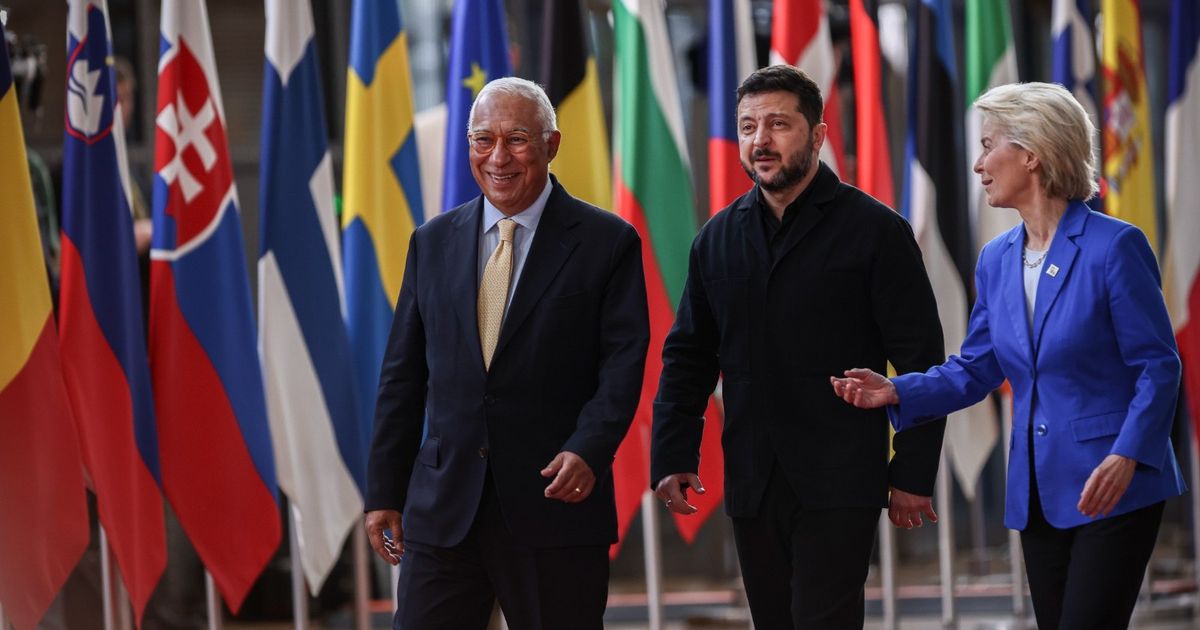
Leaders of the European Union gathered in Brussels on 15‑16 October 2026 for the second day of a summit aimed at finalising the bloc’s multiannual financial framework for 2028‑2034, setting energy policy, and addressing security challenges. Discussions were quickly overshadowed by disagreements over the size of the budget, with a group of northern member states advocating spending cuts linked to performance‑based disbursements, while southern and eastern countries resisted reductions to cohesion and agricultural funds.
Energy debates centred on the proposed extension of the EU Emissions Trading System to buildings and road transport (ETS2). Poland, the Czech Republic, Slovakia and Hungary, backed by Greece and Italy, called for postponing the scheme until 2030, whereas northern European states urged swift implementation. The talks on ETS2 consumed roughly three hours, delaying other agenda items.
On security, the summit addressed Ukraine’s urgent financing needs for 2026 and 2027. Danish Prime Minister Mette Frederiksen warned that Kyiv is "running out of money" and called for immediate EU funding and guarantees for future years, suggesting that frozen Russian sovereign assets held largely by Euroclear could be tapped to cover defence costs. Belgium’s Prime Minister Bart De Wever opposed using those assets without unlimited guarantees against possible Russian retaliation, while France expressed caution over potential breaches of international law.
Migration also proved divisive. Several leaders, including Austria’s Chancellor Karl Nehammer, supported a proposal by Commission President Ursula von der Leyen to create a legal basis for suspending asylum procedures in exceptional circumstances, citing the Spanish enclave of Ceuta as a precedent. Denmark, Germany, Austria, Greece and the Netherlands advocated establishing offshore migrant‑processing centres under existing EU legislation.
Throughout the summit, officials noted strained transatlantic relations, referencing U.S. President Donald Trump’s decision to purchase diesel from Russia and reports of reduced Starlink connectivity in Ukraine, which Kyiv says hampers battlefield operations. Von der Leyen announced that the EU is preparing its 22nd sanctions package against Russia and affirmed that existing sanctions will remain in place until the war ends.
No consensus was reached on the budget, energy or migration files by the end of the second day, and further negotiations were scheduled for November, with a possible extraordinary summit on 26 November intended to pave the way for a deal by December.