Federal Reserve Chair Kevin Warsh Warns of AI‑Driven Economic Shocks
Federal Reserve Chair Kevin Warsh said the rapid investment surge in artificial intelligence could create short‑term inflationary pressures while delivering long‑term productivity gains, speaking at the IMF‑World Bank annual meetings in Bangkok on 16 October 2026.
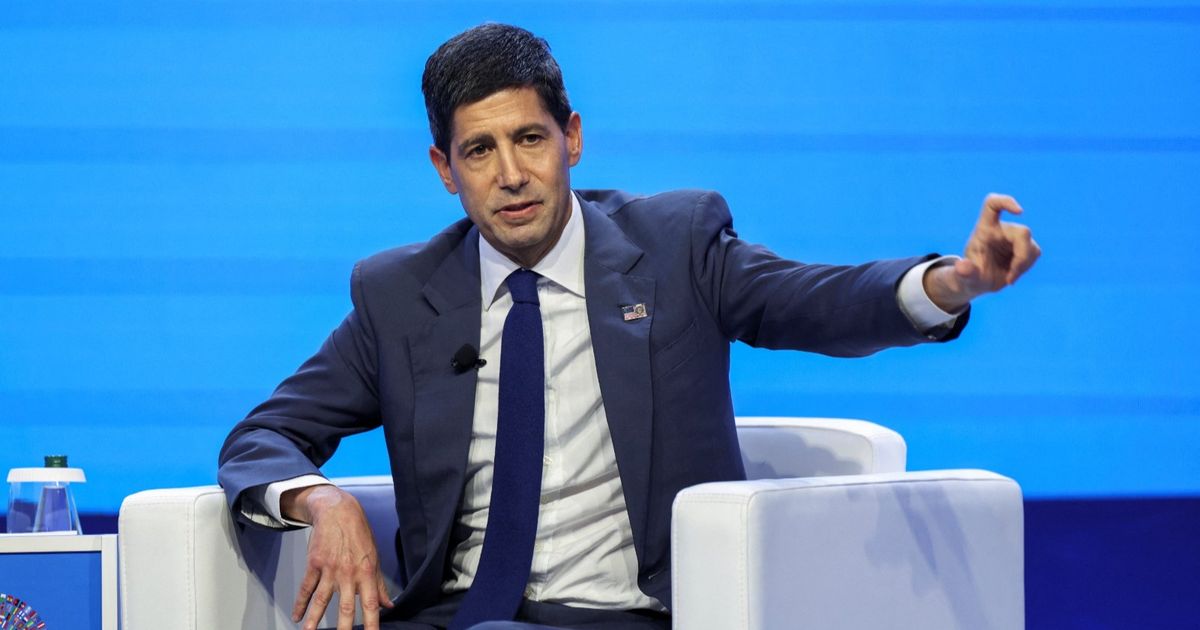
Federal Reserve Chair Kevin Warsh addressed a panel with IMF Managing Director Kristalina Georgieva during the IMF‑World Bank annual meetings held in Bangkok on 16 October 2026. He reiterated the Fed’s commitment to price stability amid rising energy costs and a boom in AI‑related investment, which he described as a "shock" to the economy.
Warsh acknowledged that AI could make economies that adopt it "more productive and wealthy" over the long run, but cautioned that the path to those benefits would be "extremely rough" and that the near‑term impact on employment remains uncertain. He added that people would look back in a decade and view the AI transformation as "of great importance and impact."
Regarding monetary policy, Warsh said the Fed is treating the macroeconomic effects of AI with seriousness and responsibility, noting that short‑term demand‑side pressures could lift inflation, while longer‑term supply‑side benefits might prove positive. He declined to give specific guidance on the Fed’s upcoming policy meeting, stating he does not "pre‑empt meeting outcomes."
The remarks came after the Fed raised its policy rate to a range of 3.75%–4.0% in September 2024, the first increase since 2023. Market expectations, according to the CME Group’s FedWatch tool, indicated a 72.3% probability of rates staying unchanged at the next meeting, with a 25‑basis‑point hike seen as likely in December.
Warsh also linked the AI discussion to broader geopolitical strains, including violence in the Middle East, and said the technology remains a source of economic disruption.