Italian PM Giorgia Meloni Warns US‑Russia Diesel Deal Is "Extremely Risky" and Undermines Sanctions
Speaking before the Italian Senate ahead of an EU summit in Rome on 14 October 2026, Prime Minister Giorgia Meloni said the recent agreement between the United States and Russia to supply over 300,000 tonnes of diesel poses clear risks, grants Moscow legitimacy while its forces continue bombing Ukraine, generates revenue for the war effort, and weakens the effectiveness of Western sanctions. She added that the deal’s outcome remains uncertain while the dangers are evident.
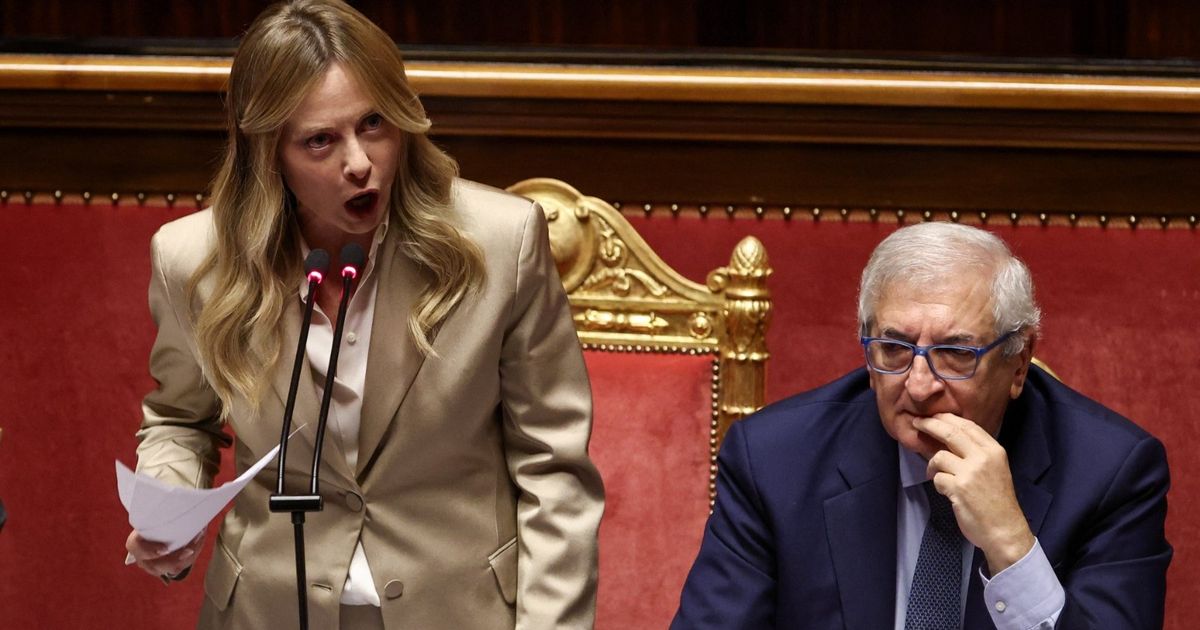
On 14 October 2026, Italian Prime Minister Giorgia Meloni addressed the Italian Senate in preparation for the upcoming European Union summit in Rome. She criticized the United States‑Russia diesel agreement announced the previous week, under which Moscow would initially supply the United States and global markets with more than 300,000 tonnes of diesel.
Meloni described the arrangement as "an extremely risky option" that conflicts with efforts to pressure Russian President Vladimir Putin into negotiations with Ukraine. She argued that the deal gives Moscow political legitimacy despite ongoing Russian bombardments of Ukrainian cities, creates new revenue streams that could fund the war, and implicitly undermines the impact of sanctions imposed on Russia.
The Prime Minister noted that while the agreement’s final effects are unclear, the associated risks are evident. She warned that the deal could exacerbate divisions between the United States and some of its Western allies, a point echoed in earlier CNN reporting that highlighted Kremlin gains beyond energy revenues, including political friction within the Western coalition.
Domestically, the agreement has also faced opposition in the United States, with bipartisan senators urging President Donald Trump to reverse the decision, claiming it weakens Western pressure on Moscow. Trump has defended the deal by asserting it will lower U.S. energy prices ahead of the midterm congressional elections, although analysts cited by Bloomberg suggest the initial shipment of 2.25 million barrels (about 1.4 million barrels less than daily U.S. consumption) would provide only limited relief for American farmers and truckers, and that shipping costs and transit times of over two weeks could offset any price benefits.
Russian Deputy Prime Minister Alexander Novak indicated that restoring monthly diesel exports to around three million tonnes—close to pre‑war levels—would not be feasible until after December, due to infrastructural and logistical constraints stemming from Ukrainian drone strikes on Russian refineries.
The article reflects the statements made by Meloni and contextualizes them with information from Reuters, CNN, and Bloomberg regarding the diesel agreement, its strategic implications, and the reactions it has provoked in both Europe and the United States.