NATO Faces Dilemma Over Suspected Russian-Linked Security Incidents in Black Sea
Recent attacks on civilian and military vessels in the Black Sea, which European officials suspect may be linked to Russia, have placed NATO in a difficult position: how to respond decisively without triggering uncontrolled escalation or appearing weak. The alliance is weighing options ranging from enhanced surveillance and sanctions to covert operations, while officials stress the need for measures that produce a tangible deterrent effect.
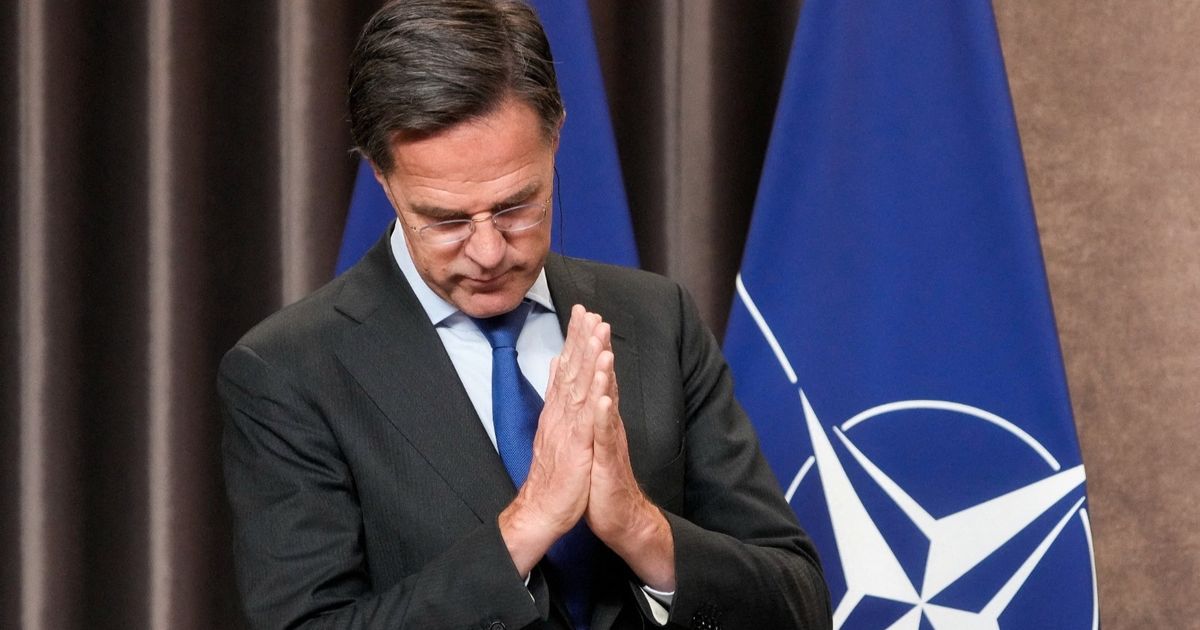
On 14 October 2026, NATO Secretary General Mark Rutte spoke at a press conference in Tallinn, Estonia, amid growing concern over a series of security incidents in the Black Sea. According to reports from the Wall Street Journal citing Western officials, unknown drones targeted two ships in Romanian territorial waters and a third vessel outside Romania’s territorial zone, resulting in the loss of seven crew members. European authorities have accused Russia of being behind these attacks, as well as similar incidents involving four additional ships near Bulgarian waters earlier in the week.
Romanian President Nikosor Dan and Bulgarian Prime Minister Radiv met with Rutte on the preceding Thursday to discuss the situation, but no specific retaliatory measures were announced. NATO officials, including a senior alliance representative, stated that the organization supports the security of its members and has options to address the situation, noting that "our activities may not always be visible." The U.S. European Command spokesperson, Colonel Martin O’Donnell, said military leaders are "doing exactly what they should be doing at this time" and are consulting.
The Wall Street Journal highlighted that none of the incidents have reached the threshold that NATO members consider an act of war, creating a deterrence dilemma: how to compel Russia to cease what the West views as provocative and unlawful actions without provoking a broader conflict. Diplomats warn that gradual escalation could lead publics to normalize the attacks, underestimating their danger.
Romanian President Dan asserted that Russia’s actions aim to destabilize societies and erode support for Ukraine, pledging continued Ukrainian backing. Meanwhile, U.S. diplomatic circles express concern that former President Donald Trump’s reduced enthusiasm for aid to Kyiv could encourage Russian President Vladimir Putin to escalate further, both inside Ukraine and beyond.
NATO has previously outlined a military plan to deter Russia, emphasizing "strengthen, weaken, and destroy combat capability." In response to the Black Sea incidents, the alliance is considering increased aerial and maritime patrols, additional exercises in the region, greater use of unmanned systems, new sanctions, expulsions of Russian diplomats, closure of Russian consulates, and interception of vessels belonging to Russia’s so‑called "shadow fleet." Covert options such as cyber operations or intelligence‑gathering against Russian critical infrastructure remain on the table but require stronger political will.
Experts quoted by the Wall Street Journal argue that any NATO response must produce a clear, measurable impact to be effective. Laura Cooper, former senior official at the U.S. Department of War and now at Georgetown University, said measures must inflict sufficient damage on Russia to halt the hybrid attacks, adding that the alliance has not yet reached that point. Analysts warn that failing to challenge Russian boldness may encourage Moscow to test new escalation thresholds.
In related developments, a Russian satellite (Kosmos 2612) was observed approaching a U.S.-registered commercial satellite that supports Ukrainian war efforts, raising concerns that Russia may extend its sabotage campaign into space. NATO continues to monitor airspace over its eastern flank and the Arctic, while Turkey’s closure of the Bosporus and Dardanelles to warships under the 1936 Montreux Convention limits naval buildup in the Black Sea, though drone attacks are not constrained by that agreement.