Pakistani Military Spokesman Says Saudi Security Non-Negotiable, Warns Houthis of Collective Response
In an interview with Independent Arabic, Pakistani army spokesman Lieutenant General Ahmad Shri Chaudhry stated that attacks on Saudi Arabia will be met with a collective response from the Makkah Alliance (Pakistan, Saudi Arabia, Turkey). He emphasized that Saudi sovereignty and the safety of the holy sites are not subject to negotiation, affirmed Pakistan's ongoing military support, and noted the alliance's defensive nature under UN Charter Article 51. The spokesman also discussed potential expansion of the alliance, Pakistan's diplomatic engagement with Iran, and maritime security cooperation.
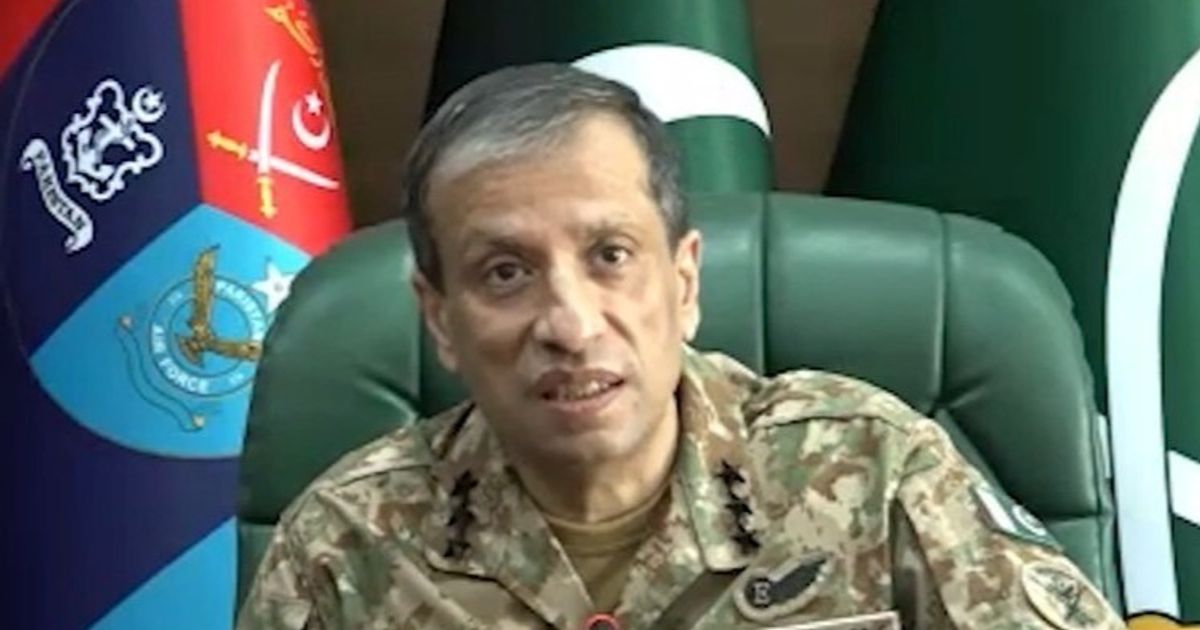
On 18 October 2026, Lieutenant General Ahmad Shri Chaudhry, spokesperson for the Pakistan Armed Forces, gave an interview to Independent Arabic in which he warned the Houthi movement that any aggression against Saudi Arabia would trigger a collective response from the Makkah Alliance, a defence pact formed in August 2026 between Pakistan, Saudi Arabia and Turkey.
Chaudhry said, "Saudi sovereignty, territorial integrity and the security of the two holy mosques are matters that are not open to negotiation or compromise." He added that Pakistan is already providing the necessary military support to Saudi Arabia and is prepared to employ "all available means" to uphold those commitments.
Regarding the Makkah Alliance, he described its activation as a "practical test" following recent Houthi attacks on Saudi territory. He characterised the alliance’s development as "exceptional" and stressed that it is purely defensive, grounded in Article 51 of the UN Charter which recognises the right of self‑defence. He said the alliance does not harbour offensive intentions and that any party threatening the peace and stability of the member states would face a collective response.
The spokesman noted that the alliance’s institutional framework – including a newly established general secretariat and a political‑strategic defence committee comprising foreign and defence ministers and military chiefs – had been set up quickly, reflecting long‑standing historical ties and mutual trust among the three countries. He left the door open for other states that share the alliance’s security objectives to join, stating that decisions on enlargement rest with the political and military leadership of the founding members.
On the possibility of direct military assistance to the internationally recognised Yemeni government, Chaudhry said he was unaware of any formal request from Islamabad but affirmed that Pakistan would review any such proposal and decide accordingly.
He also addressed domestic Pakistani sentiment, saying that the Houthi attacks on Mecca and Medina had provoked widespread anger across Pakistani society, from the public to the political and military leadership, and that protecting Islamic holy sites is a non‑negotiable pillar of Pakistan’s defence posture.
Concerning Iran, Chaudhry said Pakistan maintains diplomatic channels with Tehran aimed at de‑escalation, and that all conversations with concerned parties focus on reducing tensions. He did not confirm or deny whether a direct warning had been sent to Iran regarding the Houthi escalation.
On maritime security, he pointed out that Saudi Arabia had taken the lead in establishing a multinational maritime defence alliance in the Bab al‑Mandab and Strait of Hormuz areas, in which Pakistan participates as a member, with a Pakistani navy officer serving as deputy commander.
Finally, Chaudhry warned that if deterrence fails, the alliance would be prepared to reinforce its posture using all available tools, while reiterating Pakistan’s commitment to diplomatic efforts to lower regional tensions.