Palestinian Fatah Central Committee Discusses Proposal to Delay Legislative Elections
Fatah's central committee met in Ramallah to consider a cross‑factional proposal to postpone the Palestinian legislative elections, currently scheduled for 28 November 2026, by six months to one year in order to facilitate a broader national dialogue sponsored by Egypt. The move follows talks in Cairo involving Hamas, Islamic Jihad and the Popular Front for the Liberation of Palestine, while the Democratic Front for the Liberation of Palestine opposes any delay.
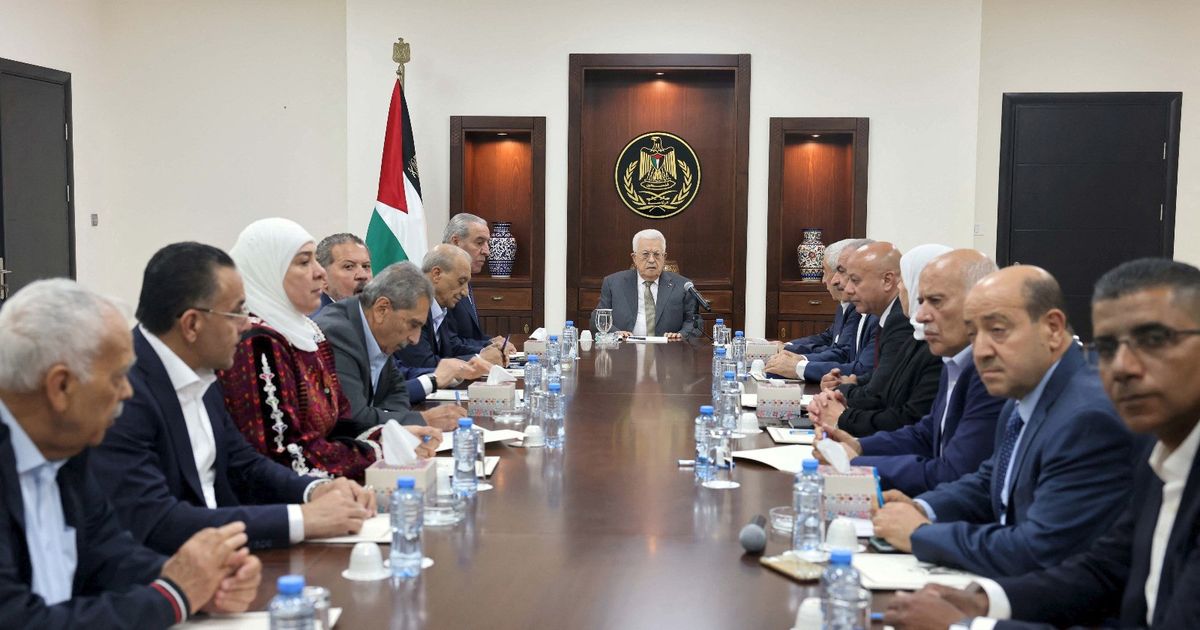
On 3 June 2026, President Mahmoud Abbas presided over a meeting of the newly elected Fatah Central Committee in Ramallah. According to Fatah spokesperson Mounir al‑Haik, the committee discussed a factional request to postpone the upcoming legislative elections, alongside the outcomes of recent consultations held in Cairo.
A Fatah delegation led by Central Committee Secretary Jibril Rajoub held talks on Wednesday with a Hamas delegation headed by Deputy Chief Zaher Jabarin, and with delegations from Islamic Jihad and the Popular Front for the Liberation of Palestine. The four factions agreed to recommend to President Abbas and the PLO Executive Committee a postponement of the elections for a period ranging from six months to one year. The proposed delay would allow time for a comprehensive national dialogue conference, to be hosted by Egypt, aimed at ending internal divisions, rebuilding the Palestinian political system and revitalizing the PLO on democratic foundations.
The factions also agreed to convene a follow‑up meeting in Cairo, expected on the coming Tuesday or Wednesday, to be expanded to include additional Palestinian forces and to prepare for the comprehensive dialogue that should culminate in a joint declaration ending the split, enhancing national unity and setting the stage for both legislative and Palestinian National Council elections.
Al‑Haik said Fatah remains open to either proceeding with the elections on their current date or accepting a postponement if it serves the supreme national interest, emphasizing the need for a responsible, non‑partisan approach to the electoral file. He added that efforts are underway to reach a "consensus formula" that would handle the election matter responsibly.
Egyptian mediators have been working to bridge the gap between Fatah and its reformist current led by Mohamed Dahlan, and to heal the Fatah‑Hamas split that has persisted since the 2007 civil conflict. A planned meeting between a Fatah delegation and the reformist current was postponed to next week, though a senior reformist official is expected to attend the expanded Cairo gathering.
Meanwhile, other Palestinian factions reported intensified cross‑ideological election‑related activity as the candidate registration deadline approaches. The Popular Front’s Deputy Secretary‑General Maher Muzher noted that his faction’s discussions with Fatah, Hamas and Islamic Jihad centered on launching a comprehensive national dialogue that would necessitate postponing the elections.
In contrast, the Democratic Front for the Liberation of Palestine issued a statement rejecting any postponement of the legislative elections under any pretext, arguing that delays merely deepen the political crisis and effectively cancel the vote, depriving Palestinians of their democratic right to choose representatives and renew national institutions.
The PLO Executive Committee, chaired by President Abbas, is set to meet on Saturday in Ramallah ahead of a possible new presidential decree concerning the elections.