President Joseph Aoun Denies Rumors About Lebanese Ambassador to the US, Calls Media Coverage Unfounded
Lebanese President Joseph Aoun stated that circulating news concerning Ambassador Nada Maawad’s alleged contact with the Israeli ambassador in Washington is "far from truth and reality," warning that such reporting harms the country’s dignity and foreign policy. He made the remarks during a meeting with media students, stressing the need for responsible journalism and reaffirming that Lebanon’s negotiations to end the war continue despite regional delays.
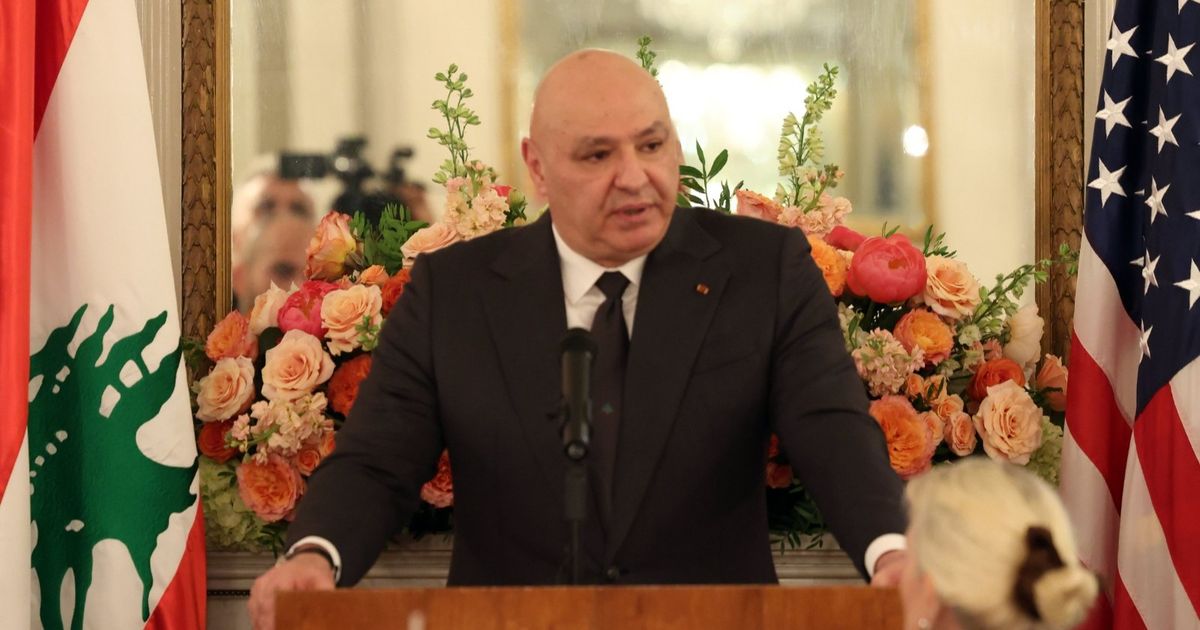
On Thursday, Lebanese President Joseph Aoun addressed rumors regarding the Lebanese ambassador to the United States, Nada Maawad, saying that the stories being circulated have no basis in fact. Speaking during a reception for third‑year and master’s‑year media students at the Holy Spirit University‑Kaslik, Aoun questioned the foundation of the media coverage, asking on what grounds the press had highlighted the issue and damaged the ambassador’s personal reputation and the state’s foreign policy in an event that, according to him, never occurred.
Aoun warned that if the intent behind the reports was to sabotage the path Lebanon has taken to end the war and rescue the country, those responsible are committing a crime against the nation. He reiterated that Lebanon’s objective remains to achieve a cease‑fire, Israeli withdrawal, recovery of the south, return of displaced persons and prisoners, and preventing the war from spreading to all Lebanese territories.
Regarding the negotiations, Aoun said they have not stopped, acknowledging that regional and international developments, including Israeli elections, may have slowed the pace but stressing that contacts continue, particularly through Ambassador Maawad’s engagement with the U.S. administration. He emphasized that there is no third option between war and negotiation, and that he bears responsibility for his actions, adding that officials unable to shoulder their responsibilities should not hold office.
The president also spoke about the role of media, describing it as a "weapon" that can either build or destroy. He criticized instances where journalists use their profession for personal gain or to blackmail citizens, stating that any information detached from truth harms the country and its reputation. He cited the coverage of an alleged explosives shipment on Zaher al‑Bedir road as an example of premature reporting that preceded the ongoing investigation.
Aoun urged media students to uphold truthfulness, ethical standards, and constructive criticism, reminding them that Lebanon’s future depends on what they write. He reaffirmed support for freedom of expression while noting that such freedom is not absolute and must be bounded by national security, as practiced in leading democracies.
Finally, he expressed his commitment to retaining Lebanese youth in the country, calling them an "entrustment" on his neck and pledging to do everything possible to keep them in Lebanon.