Trump Administration Considers Easing Sanctions on Russian and Iranian Oil Tankers to Curb Energy Costs
U.S. officials are reviewing options to lift or modify sanctions on specific Russian and Iranian oil tankers, aiming to boost global shipping capacity and lower fuel prices ahead of the November congressional midterms, according to sources cited by the Financial Times and Treasury Department officials.
The administration of former President Donald Trump is exploring ways to ease sanctions on vessels linked to Russia and Iran that have been designated as part of a "shadow fleet" used to evade existing restrictions. According to people familiar with the discussions, the options under consideration include allowing the sale of sanctioned tankers to legitimate buyers and removing sanctions on a case‑by‑case basis, provided the ships are returned to lawful commercial shipping activities after individual transaction reviews.
A Treasury Department official said the Office of Foreign Assets Control could issue licenses for the sale of these vessels if the goal is to return them to legitimate trade, subject to separate review of each deal. The move follows remarks by U.S. Energy Secretary Chris Wright at the World Petroleum Conference in Riyadh, where he suggested that lifting sanctions on the tankers could increase oil and refined fuel shipping capacity and help reduce high freight costs that contribute to elevated fuel prices.
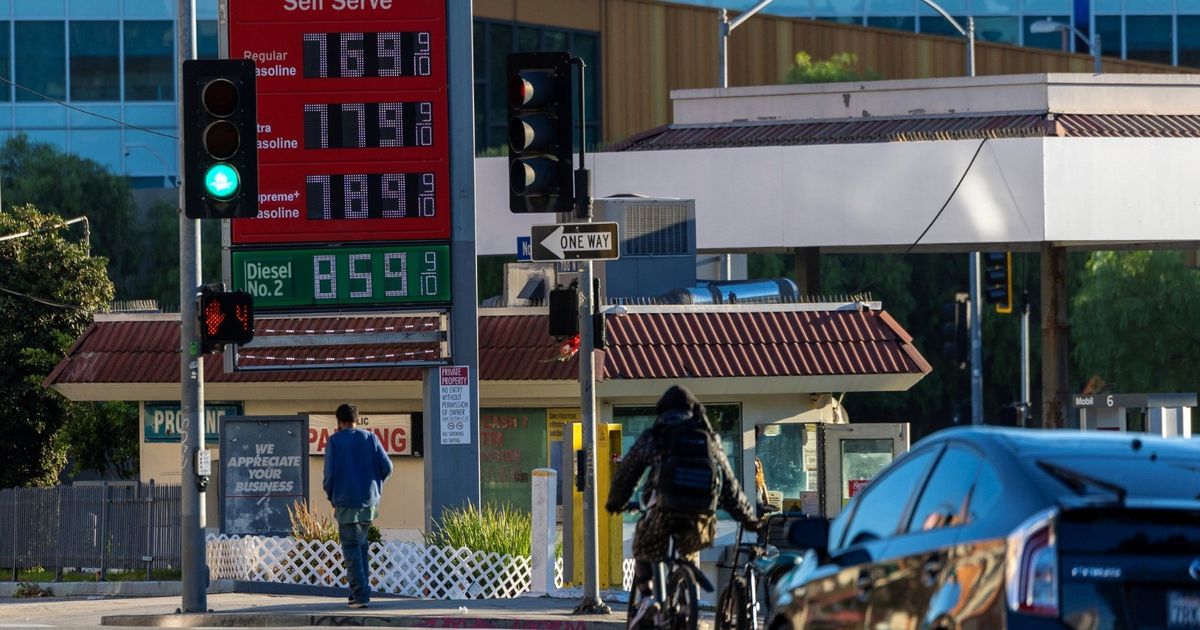
The initiative is framed as part of broader efforts to contain rising living costs, with U.S. consumer price inflation at 3.7% in September and diesel prices averaging $6.31 per gallon, near recent highs. The International Energy Agency has warned of a persistent global diesel shortage through mid‑2027.
Analysts from Energy Aspects and Kepler caution that the impact of sanction relief may be limited. They note that a significant share of the world’s oil tanker fleet remains under U.S. sanctions, but many of those vessels are aging or in poor condition, restricting their ability to quickly add shipping capacity. Moreover, they argue that the primary driver of fuel price volatility is the heightened risk of an Iran‑related conflict, not merely a shortage of tankers.
The discussion coincides with criticism of Trump’s approach to Russia and Ukraine. Earlier, Trump announced a temporary lift on sanctions for Russian diesel, drawing objections from European allies and members of both parties in the U.S. Senate who called the move a "gift to our adversary." Italian Prime Minister Giorgia Meloni described the plan as "extremely risky" and warned it undermines international pressure on Russian President Vladimir Putin to end the war in Ukraine.
Trump has also criticized Ukrainian strikes on Russian oil refineries, claiming they raise global energy prices, while Ukrainian President Volodymyr Zelenskyy said his country’s patience with Russian attacks has run out.
Because the reports rely on unnamed sources and the proposed policy has not been formalized, the potential effects on fuel markets remain uncertain and should be monitored for further official announcements.