UN Official Warns of No Breakthrough in Sudan Conflict, Calls for Halt to Drone Strikes
UN Assistant Secretary‑General for Political Affairs Rosemary DiCarlo told the UN Security Council that the warring parties in Sudan show no credible commitment to a political solution, that fighting continues in several states and that drone attacks are causing civilian casualties and hindering humanitarian aid. She urged external actors to use their influence to end the war and to stop the use of unmanned aerial vehicles.
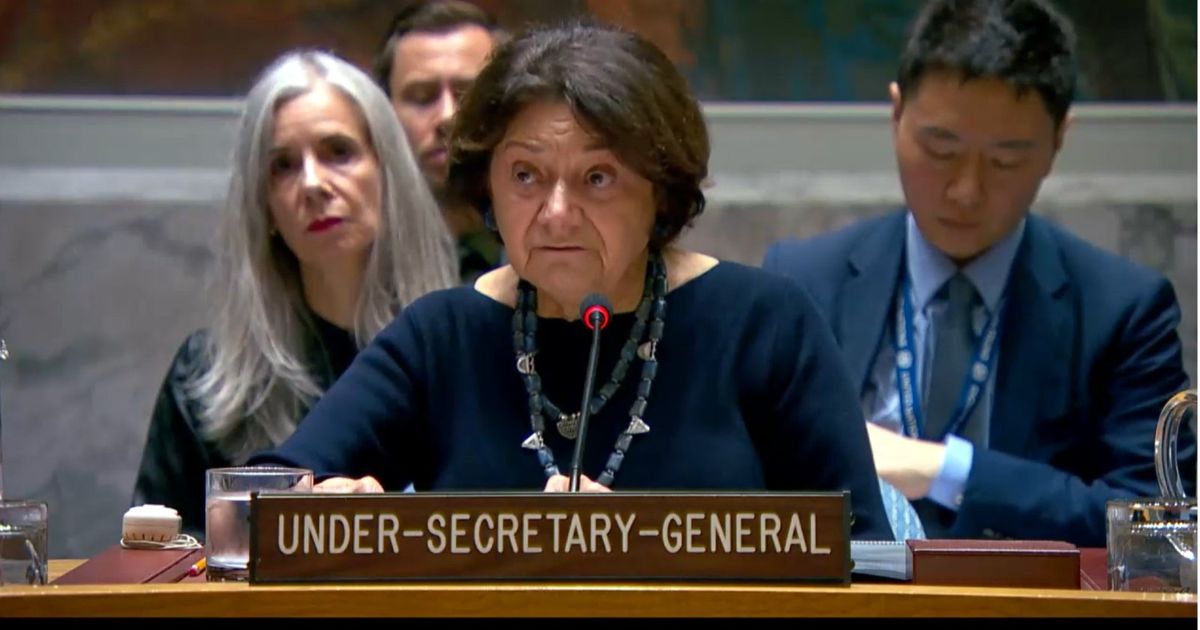
On 16 October 2026, Rosemary DiCarlo, the UN Assistant Secretary‑General for Political Affairs and Peacebuilding, addressed the UN Security Council in New York on the situation in Sudan. She warned that the humanitarian and security situation continues to deteriorate, with civilians facing brutal conflict, a worsening humanitarian crisis, severe economic hardship and the collapse of basic services.
DiCarlo said that fighting has persisted, especially in North Kordofan, South Kordofan and the Blue Nile state, and that drone strikes and aerial bombardments remain a threat to civilians. She cited specific incidents: a drone attack on 3 October that killed a driver of two humanitarian trucks contracted by the World Food Programme, despite the vehicles bearing clear humanitarian markings; attacks on an internally displaced persons camp in the Blue Nile region; and strikes on a gold mine in the Red Sea State and several civilian sites in North Kordofan.
The official stressed that the parties to the conflict have not demonstrated any credible commitment to reach a political settlement or to negotiate a cease‑fire, and that they appear to believe they can achieve greater gains on the battlefield with continued external support. She called on influential external actors to use their leverage to push the parties toward ending the war rather than fueling it.
DiCarlo highlighted that limiting violence requires immediate, practical steps, and that a halt to the use of drones could be an important measure to protect civilians. She noted that the UN’s personal envoy for Sudan, Beka Haviisto, continues to engage both sides on confidence‑building measures, including committees looking at the unilateral release of detainees, prisoner‑of‑war exchanges, and arrangements to allow Sudanese students to sit a unified secondary‑school exam.
On the political track, she said the UN remains in contact with Sudanese civil society groups, including women, youth and marginalized communities, whose message is clear: civilians want an end to the war and a return to civilian‑led governance. DiCarlo urged the Security Council and the international community to increase pressure on the warring parties and their backers, emphasizing that the Sudanese people deserve peace and accountability for violations.