US Lawmakers Urge Trump to Fully Enforce Russia Sanctions Law and Cancel Russian Diesel Import License
Twenty-two members of the US House of Representatives from both parties have called on President Donald Trump to fully implement the Lindsey Graham sanctions act targeting Russia and Iran, and to revoke a Treasury Department license that permits imports of Russian diesel into the United States.
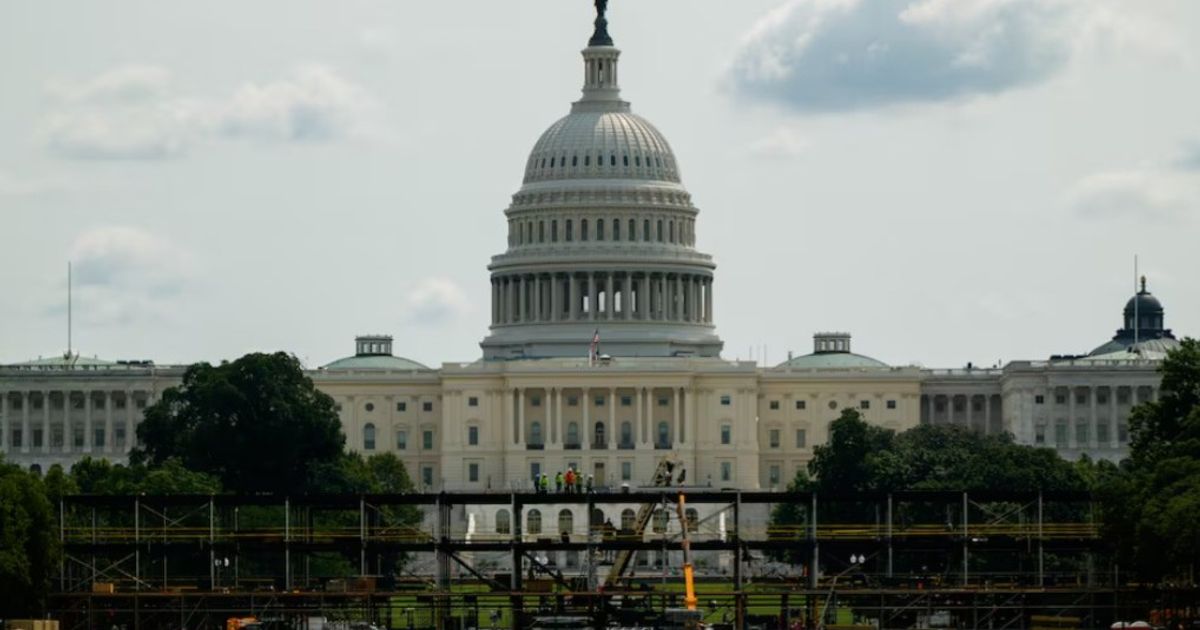
On July 26, 2026, a bipartisan group of 22 members of the US House of Representatives sent a letter to President Donald Trump urging the administration to apply the Lindsey Graham sanctions act—legislation designed to impose penalties on Russia and Iran—in its entirety. The letter was led by the honorary chair of the House Foreign Affairs Committee, Republican Michael McCaul, and Democratic Representative Jim Costa.
The lawmakers thanked Trump for signing the act but pressed his administration to use all available authorities to enforce sanctions and secondary tariffs on Russian energy imports. They specifically called for the cancellation of Treasury Department General License 135, issued on October 9, 2026, which authorizes transactions related to Russian diesel, including its import into the United States.
The legislators warned that allowing continued Russian diesel trade could replenish what they described as the Kremlin’s "war chest" and urged the administration to expand sanctions to include Russian officials, oligarchs, banks, state entities involved in the war in Ukraine, as well as foreign banks and operators of so‑called "shadow fleets" that help Moscow evade existing restrictions.
Additionally, the letter advocated strict enforcement of secondary tariffs on major importers of Russian energy, noting that China and India remain large purchasers of Russian crude. The lawmakers suggested that such tariffs could be eased if those countries demonstrate verifiable reductions in Russian energy purchases, while cautioning against penalizing European allies that have committed to ending Russian oil and gas imports by the end of 2027.
The legislators requested that any exemptions from the sanctions act be limited, temporary, and tied to measurable cuts in support for Russia’s war effort. They also asked the Trump administration to brief the relevant congressional committees after the initial October 18, 2026 deadline for implementing the law, providing details on which entities would be sanctioned, which countries would face tariffs, and how the diesel license would be reconciled with the broader ban on Russian energy imports.
The letter concluded by asserting that President Vladimir Putin responds to pressure rather than goodwill, and that full, bipartisan enforcement of the sanctions act would raise the cost of continuing the war in Ukraine and encourage a return to negotiations.