US Secretary of State Rubio Says Trump Needs Up to 60 Days to Review Russia Sanctions Impact
Marco Rubio stated that President Donald Trump will require up to 60 days to assess the economic effects of sanctions and tariffs related to Russia after signing an executive order that exempts Moscow from certain measures under the so‑called Graham Law. The announcement comes ahead of the November midterm elections and amid concerns over rising energy prices linked to global supply disruptions.
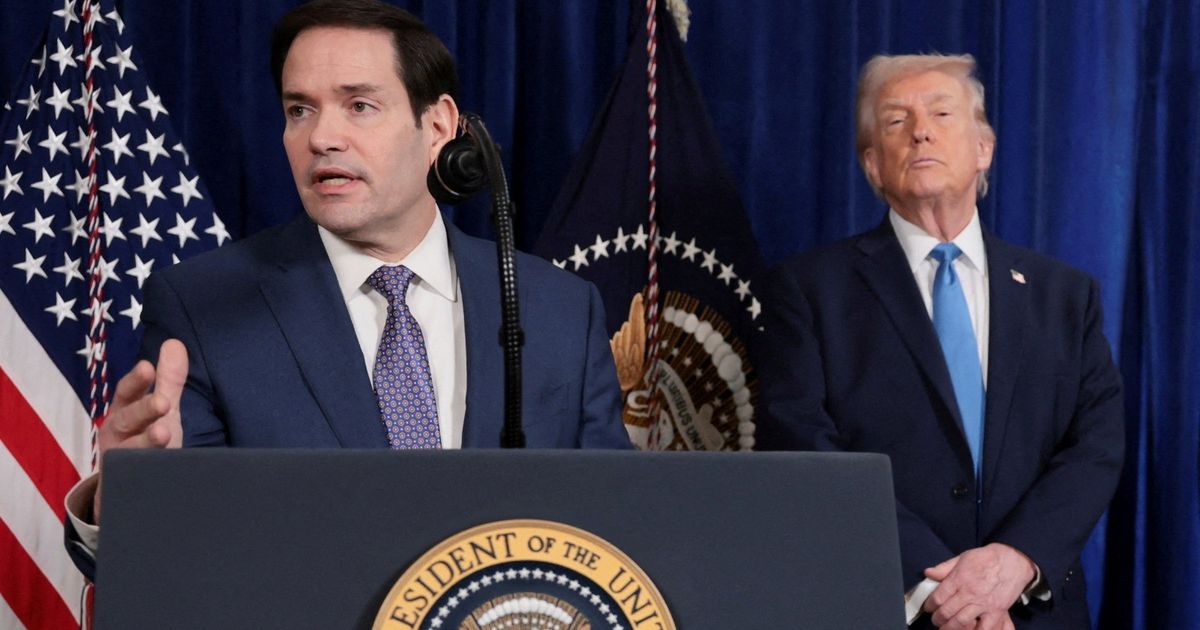
On Saturday, US Secretary of State Marco Rubio told reporters that President Donald Trump needs a period of up to 60 days to evaluate the economic consequences of imposing sanctions and tariffs on Russia. Rubio’s remarks followed Trump’s signing of an executive order on Friday that temporarily exempts Russia from several sanctions and tariff provisions established under legislation referred to as the "Graham Law". The order does not specify how long the exemption will last, but Rubio said Trump has chosen to subject the measures to a 60‑day review before making a final decision.
Trump told journalists at a press conference in Palm Beach, Florida, that many people do not yet know his final stance, but that a decision will be forthcoming. The exemption comes weeks before the November 2026 midterm elections, a time when Trump faces political pressure over rising energy costs. Analysts note that global oil supplies have been disrupted by the ongoing conflict involving Iran, which has contributed to higher fuel prices.
The Graham Law, as described in the report, imposes tariffs on Russian goods and sanctions on countries that purchase Russian oil and gas. Rubio indicated that the 60‑day review is intended to allow the administration to analyze how the sanctions and tariffs would affect the global economy and the United States specifically.
In addition to the sanctions review, Rubio referenced a separate agreement between the United States and Russia to increase diesel supplies to world markets. Under that arrangement, Russia would initially export more than 300,000 tons of diesel to the United States, with further shipments planned for November and beyond. Rubio argued that the diesel deal and the sanctions exemption reflect the difficulty of managing simultaneous conflicts in the Middle East and Ukraine, both of which influence global energy flows.
The executive order has drawn criticism from Ukrainian President Volodymyr Zelensky, who warned that easing pressure on Russia could embolden President Vladimir Putin and prolong the war in Ukraine. Senator Darlin Graham (Republican, South Carolina) also expressed disagreement, saying she would prefer to maintain pressure on Russia and does not trust Putin or the Russian government.
Given the unusual dating of the events (referencing 3 January 2026) and the mention of a "Graham Law" that does not correspond to any known US legislation, readers should treat the specifics of the legal framework and the timeline with caution until verified by official sources.