Yogyakarta: Java’s Cultural Heart Amidst Dense Population
Yogyakarta, a semi‑autonomous sultanate within the Republic of Indonesia located on Java island, is home to more than 150 million people in the surrounding province and hosts world‑renowned heritage sites including the Buddhist monument Borobudur and the Hindu temple complex Prambanan. The city blends living royal traditions with contemporary urban life, offering visitors a unique glimpse into Indonesia’s historic and cultural layers.
Yogyakarta, often referred to by its local name "Jogja", lies a few hours east of Jakarta on the island of Java. While Jakarta serves as the nation’s bustling capital, Yogyakarta retains a distinct identity as a sultanate that survived the transition to a republican state after World War II. The current sultan, Hamengkubuwono X, continues to reside in the Kraton (the sultan’s palace), although large portions of the palace complex are open to the public.
The city’s streets around the Kraton are lively with traders, tourists, office workers and becak drivers, yet the atmosphere feels distinct from the congestion of Jakarta. Yogyakarta’s provincial area, which includes the surrounding regencies, supports a population exceeding 150 million, making Java the most populous island on Earth and the economic and political core of Indonesia.
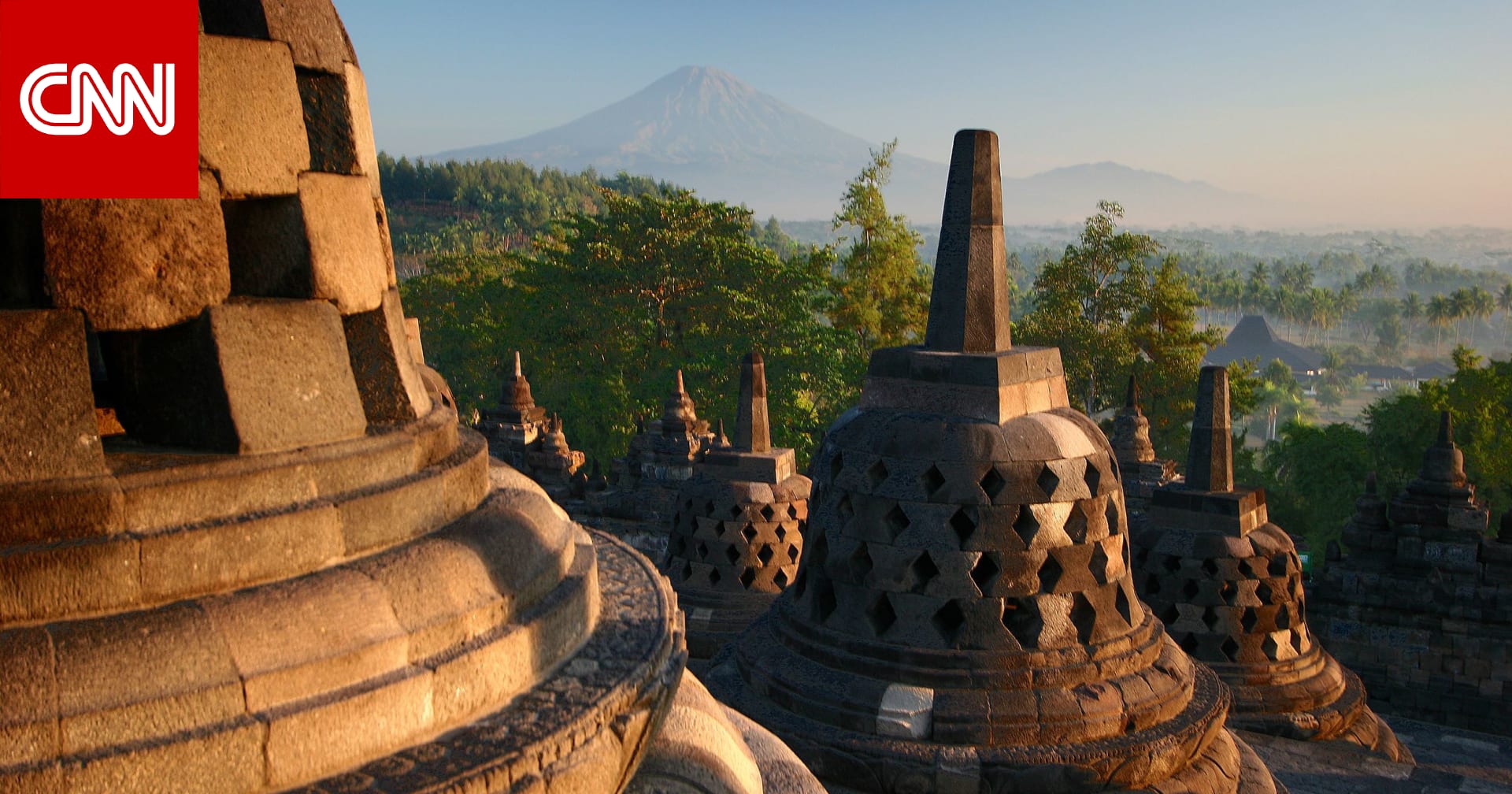
Within roughly 40 kilometres of the city centre lie three UNESCO World Heritage sites. The most famous is Borobudur, a massive 9th‑century Buddhist monument designed as a lotus‑shaped stupa. Although the majority of Javanese converted to Islam centuries ago, Borobudur remains a spiritual landmark for locals, who consider the site sacred and believe that disturbing it may bring misfortune. Restoration efforts have returned many of its stone reliefs and statues to Java, though some artifacts remain in museums abroad.
Nearby, the Prambanan temple compound represents the largest Hindu temple site in Indonesia. Built in the 10th century, its towering, richly carved spires echo the architectural grandeur of Cambodia’s Angkor Wat. Prambanan is generally less crowded than Borobudur, allowing visitors to explore both sites comfortably in a single day—typically Borobudur in the morning to avoid heat, followed by Prambanan after lunch.
Yogyakarta also features distinctive cultural attractions such as Taman Sari, the "water garden" or "fragrant garden" built in the mid‑18th century, which blends Javanese and Dutch architectural elements. The Sultan’s Square, marked by the Tugu monument, serves as a central gathering point.
Despite the pressures of modern traffic and tourism, the city maintains a palpable sense of history where centuries‑old traditions coexist with contemporary life. Visitors often describe an enduring spiritual ambience that permeates the streets, palaces and ancient temples alike.